
Initial focus
From shop invoices to readable fields
Early modules translated recurring invoice and inspection fields — pad thickness, fluid notes, DTC descriptions — into neutral glossary entries fleet staff could study before authorizing work.

About fissipeditx
fissipeditx — reliable service for vehicles always on the move. The platform is dedicated to technical maintenance education for vehicles used daily in goods and order delivery. We explain formats, terminology, and editorial boundaries without replacing licensed inspection.
Fleet coordinators asked for plain-language guides to shop reports and interval documents. fissipeditx organizes answers into structured learning modules.
Initial focus
Early modules translated recurring invoice and inspection fields — pad thickness, fluid notes, DTC descriptions — into neutral glossary entries fleet staff could study before authorizing work.
Expanded scope
Content grew to cover suspension checks, consumables logs, battery vocabulary, and comprehensive diagnostic report reading — always describing information formats, not vehicle-specific conclusions.
Today
Editors verify manufacturer citations, remove ambiguous phrasing, and label AI-assisted draft sections. Updates follow changes in telematics report formats and fleet portal field names.
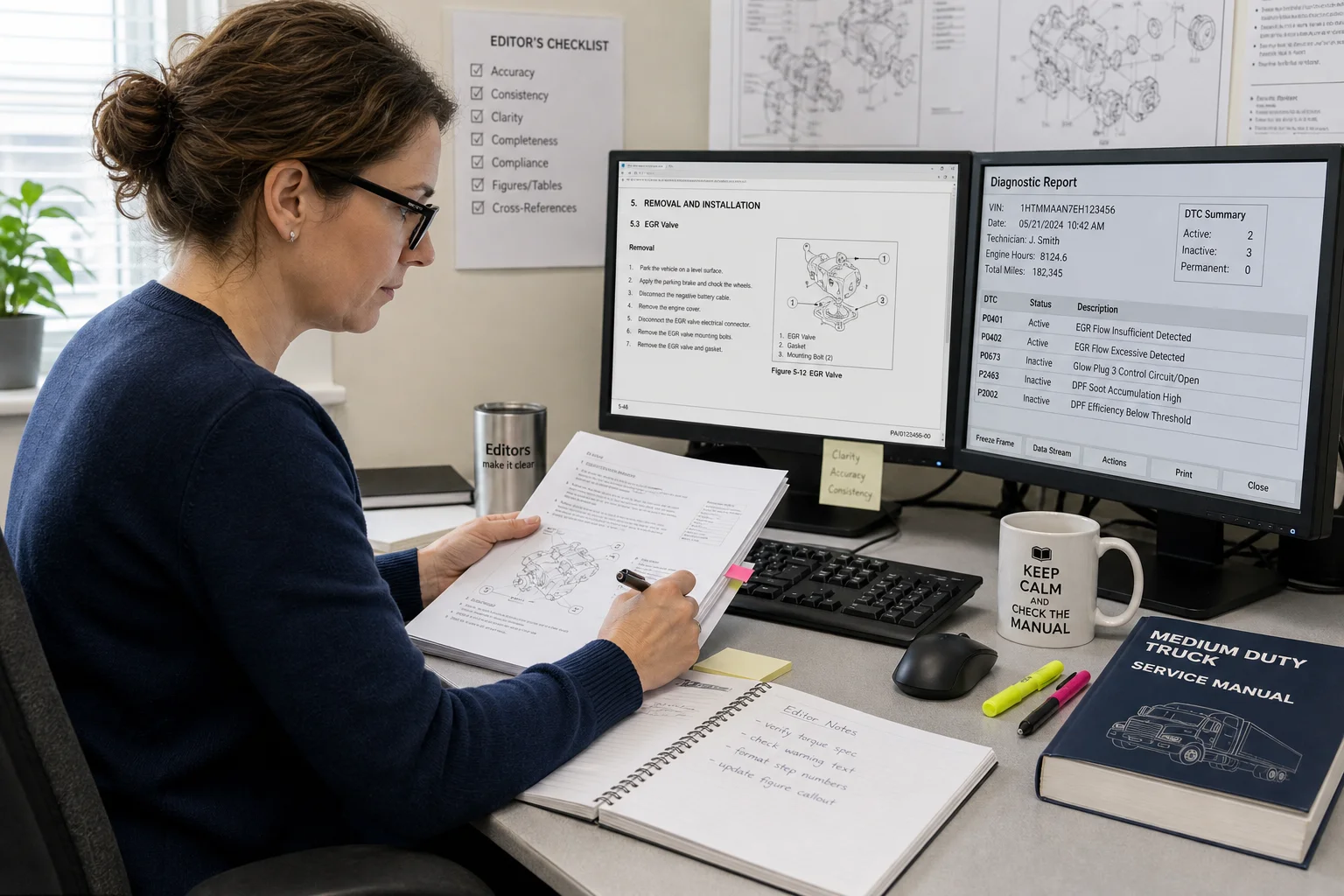
Each module passes through research against manufacturer PDFs, neutral wording review, and technician comment cycles. Artificial intelligence may draft initial glossary groupings or summarize dense tables; human editors verify numbers, add disclaimers, and remove language that could be read as repair advice.
AI tools do not publish autonomously on fissipeditx.info. They accelerate organization of reference material under explicit human approval. Sections assisted by automation are described in module footnotes where applicable.
Financial thinking modules define budget line labels — scheduled service allocation, tire cycle category, diagnostic labor field — as document vocabulary. They explain how fleet spreadsheets categorize maintenance planning without projecting operational totals.
Four editorial standards shape every module outline and glossary entry.
Terms are defined without product rankings or outcome statements.
Brake, steering, and drivetrain modules direct readers to licensed inspection when symptoms appear.
Complex shop language is broken into readable sections with consistent field names.
Content is updated when telematics exports or manufacturer tables change.
fissipeditx consults independent fleet shops, training providers, and logistics safety groups to align module topics with real dispatch questions. Partnerships support editorial accuracy — not product promotion.
Quarterly review calls with Midwest and West Coast fleet operators inform glossary updates and new module proposals.
Midwest Fleet Training Alliance
Scan tool literacy workshops
Commercial Vehicle Reference Institute
Inspection field standards
Urban Logistics Safety Council
Route-duty wear documentation
Telematics Data Literacy Project
Remote report vocabulary
Dispatch coordinators, driver liaisons, fleet analysts, and shop communication staff read modules to prepare for maintenance authorization conversations. Content adapts to readers new to shop vocabulary and to staff managing multi-site courier operations.
Modules describe how to read documents — not what a specific vehicle needs. Benefits of study include clearer internal notes and more precise questions for licensed technicians.
71%
Readers managing vans under eight years old
54%
Use walk-around checklists weekly
88%
Consult modules before shop authorization
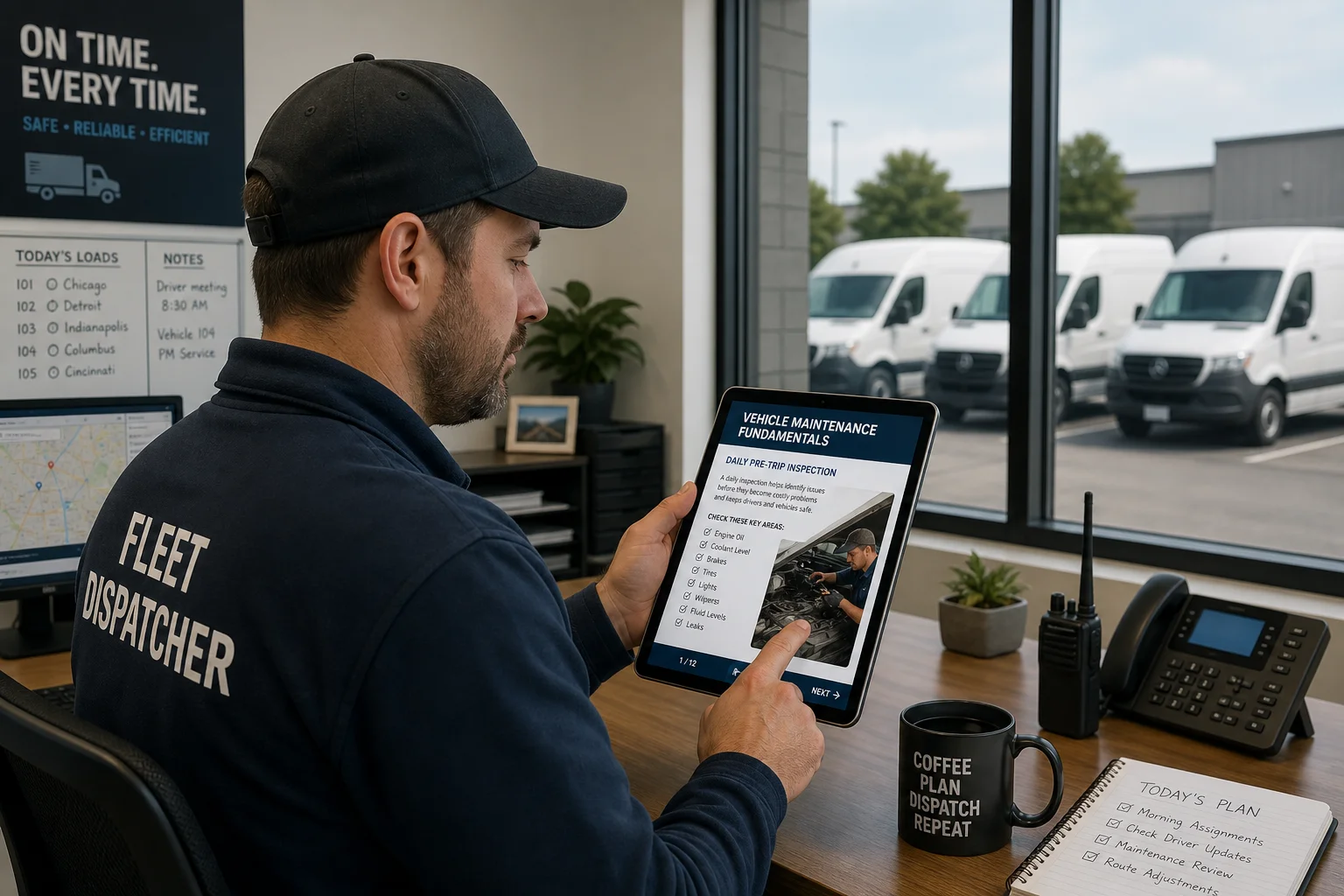
Suggest a glossary term, ask about module format, or request clarification on reference boundaries. We respond through our 24/7 message queue.
Go to contact pageIn-depth articles cover interval calendars, scan data reading, brake report fields, and tire logs — written for fleet staff who prepare shop conversations.
Information, reference materials, and contact details published on fissipeditx.info are provided solely for general orientation and describe educational formats for courier and delivery fleet vehicle maintenance — planned maintenance scheduling, engine diagnostics vocabulary, brake control checklists, suspension inspection fields, tire evaluation procedures, auto electrical reference modules, consumables tracking logs, battery condition terminology, comprehensive diagnostic report reading, and practical recommendation outlines. We maintain editorial review cycles; however, completeness of manufacturer specifications, shop notification procedures, and required document lists may change without advance notice.
Use of site materials is at your own responsibility. The company, editors, and technical contractors do not assume obligation to compensate consequences arising from reliance on published wording or interpretations. Before authorizing service at a certified automotive facility or following manufacturer guidance, verify details against primary documents and qualified technicians.
All content describes learning formats and neutral definitions. Materials do not replace individual inspection by a licensed repair facility. Vehicle conditions vary by model year, mileage, route intensity, and prior service history. Decisions about repairs, modifications, or vehicle deployment remain your responsibility.
fissipeditx is not liable for damage that may arise from applying described methods without professional supervision. For safety-critical systems — brakes, steering, drivetrain, and suspension — we always recommend evaluation by qualified personnel.
Third-party links are provided for navigation convenience; we do not administer or endorse external page content. Following such addresses remains at your discretion.
For clarifications about section usage rules, publication schedules, or contact methods, refer to the footer contact block or the Company Information page. The editorial team focuses on clear presentation of learning formats and reference definitions without describing individual shop obligations outside the educational contour.
For questions about your specific vehicle or fleet unit, use our contact page or consult a licensed repair facility.